Where the lamps run
Applications
Ten infrared processes and two ultraviolet ones, which together cover most of what leaves our workshop. Each has its own failure mode — scorched edges, uneven cure, film that will not shrink — and each is solved with a different wavelength, reflector and zoning.
Infrared heating
Ten industries, ten absorption profiles.
Printing & inks
IR · short waveHigh-speed printing, painting, varnish and ink drying on web and sheet presses. Short wave switches in a second, so the zone follows the press speed instead of forcing the press to follow the oven. On water-borne inks we normally shift toward fast medium wave, where the water band absorbs harder.
Paint & powder coating
IR · medium waveCar body shell drying, powder coating gel-out and clear-coat flash-off. The film has to cure without the substrate being cooked, which is a wavelength question before it is a power question: medium wave is absorbed in the first few micrometres of the coating, gold reflector behind it to stop wasting the rest.
Textile & non-woven
IR · fast medium waveFabric drying and textile print drying, where the web is wide, thin and easy to overheat at the edges. Zoning across the width and a gentle intensity curve matter more here than headline power.
Photovoltaics
IR · short wave & flashSintering, series welding and PECVD coating, where a few seconds at the right temperature decides the contact resistance. Short wave twin tubes give the ramp rate; our xenon flash lamps cover the simulator side of the same factory.
Mechanical manufacture
IR · medium & carbonSpare-part cleaning and drying, metal annealing and mould heating. Metal is reflective in the near infrared, so the emitter is chosen for the coating or the oxide, not for the alloy.
Medical & pharmaceutical
IR · medium waveMedicine and material drying, and container drying before filling. Clean heat, no contact, no air movement to disturb a sterile field.
Building materials
IR · medium wavePlate drying, surface coating and adhesive drying — often on a continuous line where the board is thick and the coating is thin. The heat has to sit in the coating, not soak into the board.
Glass
IR · twin tubeBending, laminating, laminated-glass cutting, coating and printing. Wide furnaces need long emitters, which is why the twin tube exists in 33×15 mm up to 5,000 mm.
Packaging equipment
IR · medium wavePlastic film stretching, shrinking and package sealing. Fast response keeps the seal from turning into a burn mark when the line stops.
Food & baking
IR · medium & carbonPastry and poultry baking, tea drying and canned-food sterilisation. Carbon emitters give the even spread that keeps a crust from scorching on one edge.
Ultraviolet
Two more, where light does the work.
Water & process water
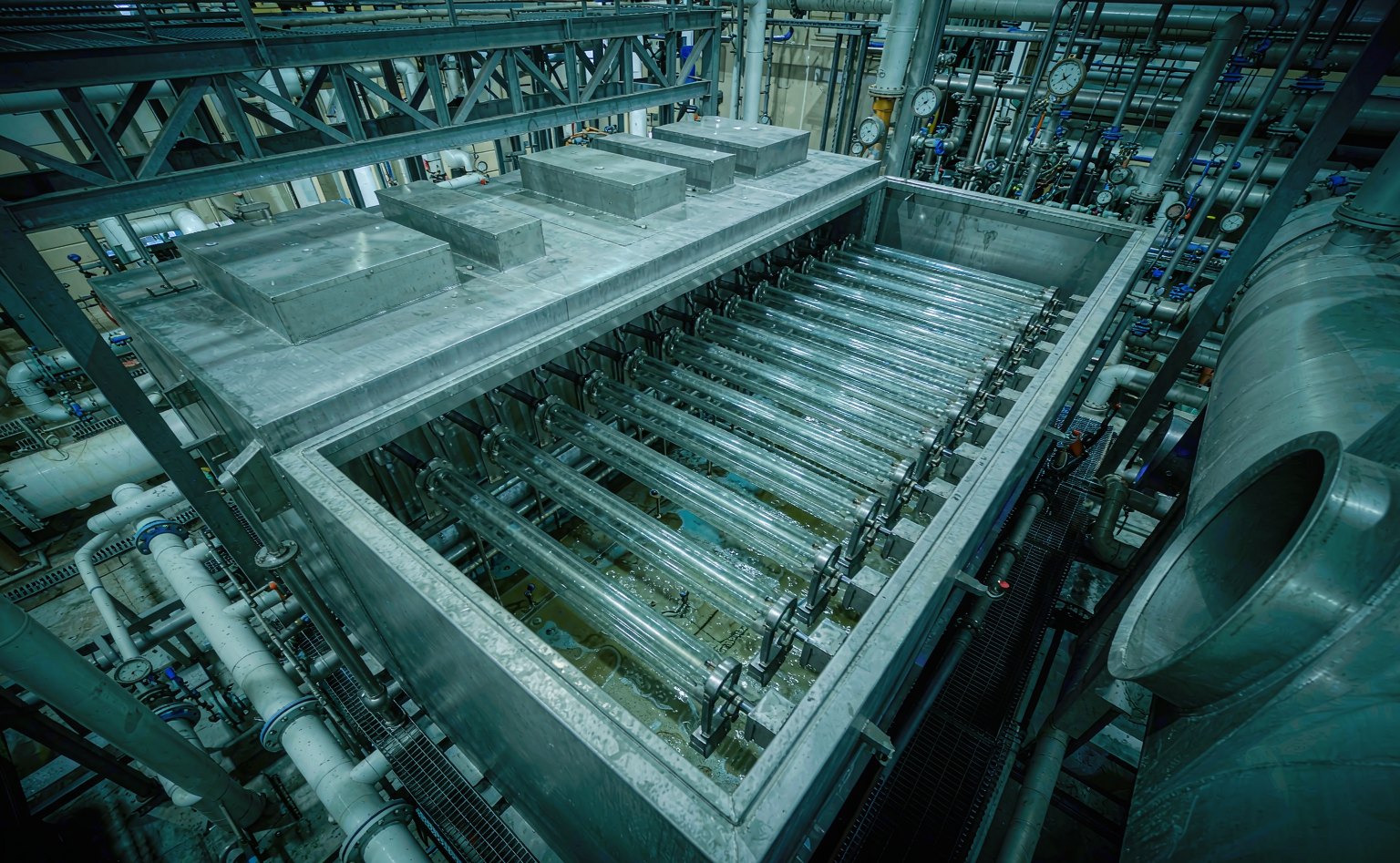
UV · 254 nmDrinking water, process water and reuse loops. Sizing is on validated dose at end of lamp life, against the reactor that actually exists — not an idealised bench setup. Quartz sleeves and intensity sensors are supplied with the lamps so the dose calculation and the hardware age together.
Air & surface disinfection
UV · 254 nmIn-duct units, upper-air systems and surface treatment in food, packaging and medical environments. Two questions decide the design every time: how much of the air actually sees the lamp, and how the lamp stays clean enough to keep working.
Your process is probably close to one of these.
Tell us the material, the line speed and the temperature or dose. If a lamp is the wrong tool for it, we will say so.